

a gentle return
Natural Organic Reduction, step by step
Also known as human composting, NOR transforms the body into nutrient-rich compost in about 60 days. No flames, no embalming, no casket, and nothing hidden from you.
- About 60 days
- From the time we receive your loved one to the return of the compost
- Dignified
- The process is respectful and gentle.
- Fully enclosed
- A sealed, monitored vessel with carbon air filters
- Yours to keep
- Compost returned to your family to use as you choose
What happens, and when
If you’re nervous about the details, that’s normal. Most people have never seen how this works. Here is the whole process, in plain language.
Into our care
We gently wash your loved one. The vessel is half-filled with organic materials like wood chips and grasses, your loved one is laid inside, unembalmed, and another layer of plant material is placed over the body. Then the vessel is closed and sealed.
Natural transformation
We monitor temperature, oxygen, and moisture to keep conditions just right. The same microbes that kept us healthy in life lead the work. As they interact with the plant material, the vessel warms on its own (no outside heat is added) and holds around 150°F for a few weeks, long enough to destroy pathogens. We are mostly soft tissue, which breaks down remarkably quickly.
Bones returned to the mix
When the temperature falls below 130°F, we know transformation is complete. Bones are reduced to a fine powder and mixed back into the compost, so the calcium they hold becomes part of what nourishes new growth.
Rest
The compost rests and stabilizes for about another 30 days, until it is ready to go home.
Return to your family
For a small portion, we provide a biodegradable cardboard container about the size of an urn. If you would like all of it, we place it in biodegradable bags for you to pick up.
Inside the vessel: heat from life itself
Illustrative temperature over a typical 60-day process
the vessel
Sealed, monitored, and quiet
Everything happens inside a closed vessel. That is why there are no insects and no odor. Carbon air filters trap anything that might try to escape, and the finished compost smells like fresh, earthy compost.
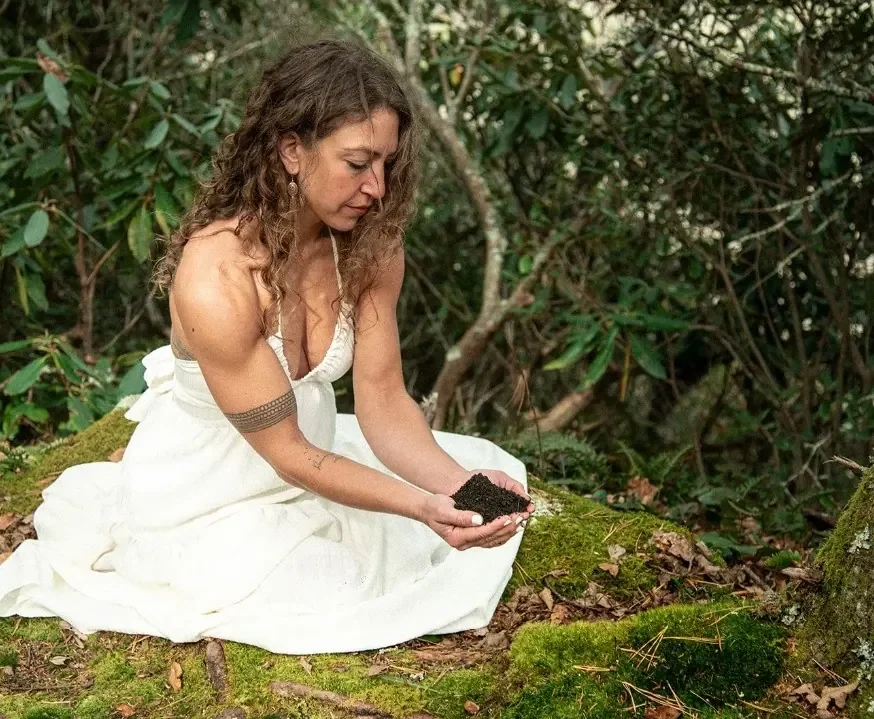
What your family receives
At the end of this cycle, the body has transformed into nutrient-rich, life-giving compost. Nothing harmful remains. Only clean, fertile compost—an elemental return to the natural world. Once NOR is complete, the compost is prepared for your family. This final compost is clean, safe, and full of nutrients.
Families have used it to:
Comparing your end-of-life choices
Many people choose cremation simply because they don’t want a casket burial. If that sounds like you, here is how NOR compares.
| Topic | Cremation | Natural Organic Reduction | Casket burial |
|---|---|---|---|
| Typical cost | $2,000–$6,000 | $8,000-$10,000 | $9,000 and up |
| How it works | Fuel-fired flame | Microbes and plant material in a sealed vessel | Casket placed in the ground, often in a vault |
| Embalming | Not required | Not allowed | Common |
| Casket | Container required | None | Required |
| What your family receives | Ashes | Nutrient-rich compost that can help new life grow | A grave site to maintain and visit |
| Timeline | Days to weeks | About 60 days | Days |
Costs are typical ranges and vary by provider and the services you choose.
Planning ahead
We handle the process. The most important thing you can do is make sure the right people know what you want.
Tell the people who will make arrangements
Share your wishes with family and anyone who may speak for you, and put them in writing.
Ask that you not be embalmed
An embalmed body cannot go through NOR. This is the one detail that can’t be undone.
We or your funeral home bring you into care
Within hours of death, Dust to Dust or your local funeral home brings your loved one into refrigerated care.
There’s no need to rush
With refrigeration, a service and the NOR process can safely wait three weeks while your family gathers.
$3,000– $5,000
Extra cost families face today to send a loved one out of state for NOR
Why a Tennessee provider matters
Right now, honoring a wish for NOR means asking a local funeral home, often unfamiliar with the process, to arrange interstate transport of an unembalmed body. That adds cost, time, and emotional strain at the hardest moment.
Dust to Dust will provide NOR here at home, saving families the time, money, and toll of shipping a loved one out of state.
common questions
Honest answers
Does it involve insects?
No. Unlike decomposition in nature, Natural Organic Reduction takes place entirely within a sealed, carefully controlled vessel. The process relies on naturally occurring microorganisms—not insects—to gently transform the body into nutrient-rich compost.
Does it smell bad?
No. The vessel is sealed and fitted with carbon air filters to trap any unlikely odors. The finished compost smells like fresh, earthy compost.
Is it dignified?
Yes. Your loved one is washed and laid on a bed of plant material with care. The process follows the same natural cycle that turns fallen leaves into rich forest floor. Nothing is added outside of plant material, water, and oxygen.
Is it safe?
Yes. Natural Organic Reduction is a carefully controlled, science-based process. As naturally occurring microorganisms break down the body, they generate heat often exceeding 150°F. These elevated temperatures, sustained over time, help destroy harmful pathogens. The process is carefully monitored to ensure the resulting compost meets established safety standards.
How long does it take?
About 60 days for most people: roughly 30 days of transformation and 30 days of rest.
What does it cost?
$8,000-$10,000. That is less than a typical casket burial ($9,000 and up) and more than cremation ($2,000–$6,000).
Can we still have a funeral or memorial service?
Absolutely. Choosing Natural Organic Reduction does not limit how you honor your loved one. With proper refrigeration, a traditional funeral or viewing may be held before the process begins, for up to three weeks after death. Families may also choose a memorial service with the resulting compost afterward—or both.
What happens to the bones?
After the natural transformation process, the remaining bones are gently processed into a fine powder and blended back into the compost. This allows their calcium and other minerals to become part of the nutrient-rich compost returned to the family.
Is Natural Organic Reduction the same as green burial?
Not quite. Both are environmentally friendly, restorative alternatives to traditional burial and cremation. Green burial allows the body to decompose naturally in the earth, nourishing the surrounding ecosystem. Natural Organic Reduction accomplishes something similar in a controlled vessel, transforming the body into nutrient-rich compost that families can use to nourish new life. Unlike green burial, NOR does not require a cemetery plot or permanent gravesite.
Is human composting legal in Tennessee?
Not yet. NOR is legal in 14 states. A Tennessee bill is on hold until the 2027 session, and you can help it pass. See the legislative status.
Can I plan ahead now?
Yes. Talk with your family, write down your wishes, and join our list so you hear first when we open.